
People Against Plastic FAQs
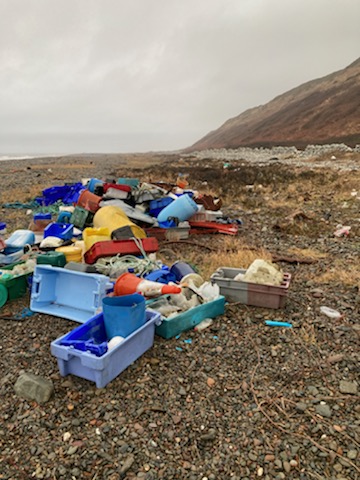
There are a lot of reason that people are against plastic. Despite being an amazing material, the lack of care humans take in disposing of it cause a myriad of environmental problems across the world, polluting land, air and water.
Why are people against plastic?
Sir David Attenborough in a recent interview with WWF said that
“Plastic is choking our oceans” Sir David Attenborough told WWF during Blue Planet 2 that “we dump eight million tonnes of plastic into the sea every year”. It’s killing and harming marine life. Microplastics are consumed by animals like plankton, passing the problem back up the food chain – to us. More information on bioaccumulation.
Why do people say no to plastic?
According to the indian government:
“Plastic is a parasite that is causing the downfall for our environment. From humans to marine life, plastic has penetrated our lives and is causing severe harm. On average, every Indian uses about 1kg of plastic every month which amounts to 26,000 tonnes of plastic every day by the entire country.”
Why do environmentalists go against plastics?
According to UNEP:
“Plastic pollution can alter habitats and natural processes, reducing ecosystems’ ability to adapt to climate change, directly affecting millions of people’s livelihoods, food production capabilities and social well-being. “
Inger Andersen, UNEP Executive Director has stated that:
“We will not recycle our way out of the plastic pollution crisis: we need a systemic transformation to achieve the transition to a circular economy”

What if plastic was banned?
According to NRDC there are multiple reasons for banning single use plastic:
“Not only does banning single-use plastic reduce pollution, but it also reduces demand for plastic production that’s contributing to global climate change. But beyond these impacts, the bans have cultural effects. Companies are forced to innovate, rethinking their designs and sourcing sustainable materials. “
How can I help fight against plastic pollution?
You can help by cleaning beaches. Beaches are very good at breaking down plastic to microplastics.